
BORA Guide: Finding the Most Realistic Digital Piano for Travel
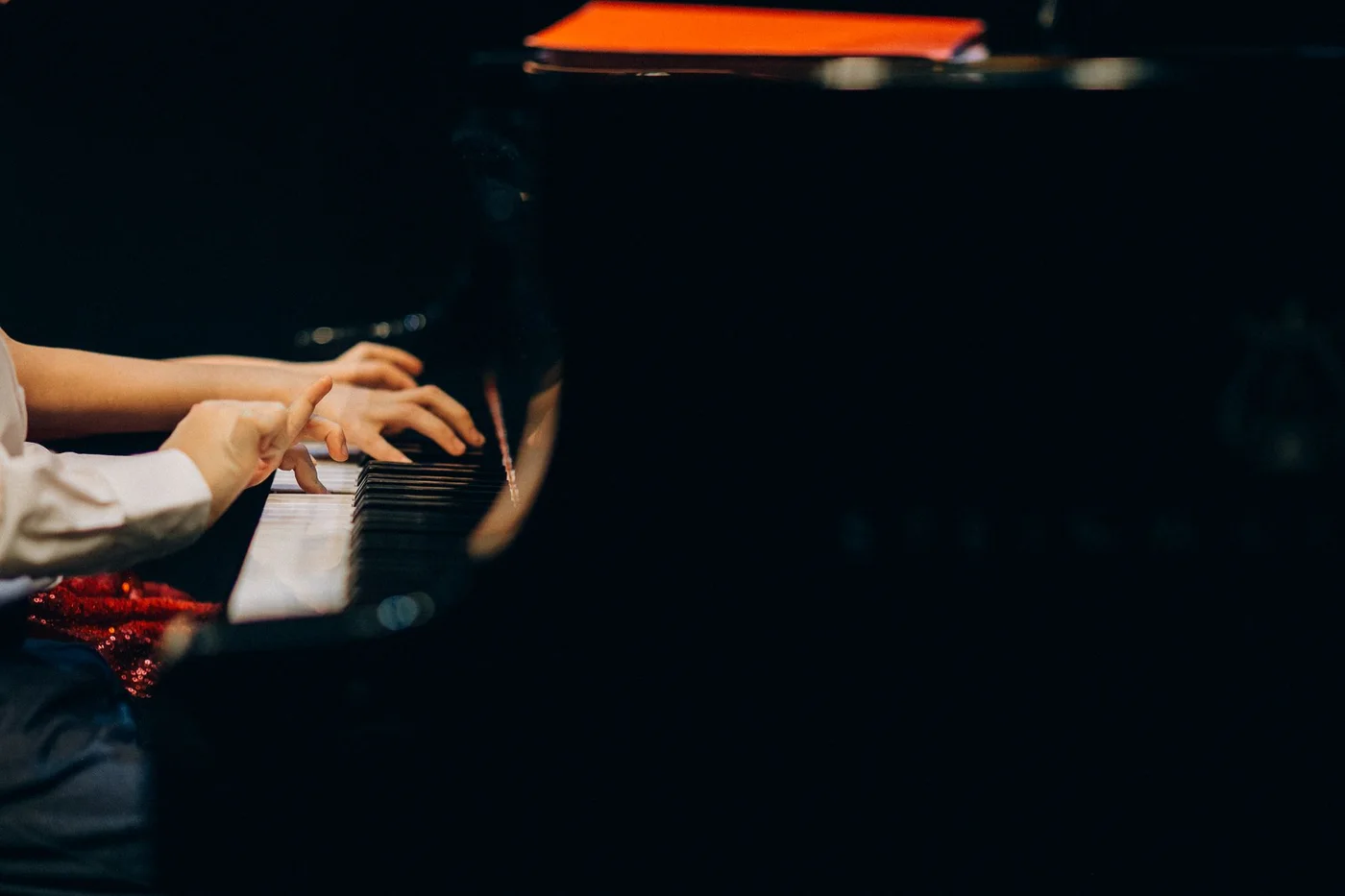
For centuries, the classical piano has represented the pinnacle of mechanical expression. From the intricate lever mechanics of Cristofori’s escapement to the resonant iron frames of modern concert grands, the instrument responds directly to subtle variations in muscular force and finger velocity. For classical performers, educators, and touring session players, replicating this organic tactile feedback in an electronic instrument is essential. When searching for the most realistic digital piano, musicians must look beyond marketing claims and evaluate the engineering behind keybed mechanics, velocity sensors, and acoustic emulation.
Evaluating Touch and Tone: What Defines the Most Realistic Digital Piano?
In traditional acoustic pianos, the key feel is governed by physical resistance: striking a key throws a felt hammer against tensioned strings, releasing damper felt and vibrating soundboards. To simulate this digitally, manufacturers rely on calibrated sensory arrays and weighted return paths. The most realistic digital piano instruments excel in three primary technical disciplines:
- Velocity Dynamic Profiling: True expressive range depends on high-resolution sensors detecting the exact speed and impact of a keystroke. Standard velocity-sensitive keys measure attack intensity to output accurate timbre shifts—from mellow, quiet pianissimo to bright, punchy fortissimo.
- Harmonic Depth and Polyphony: A realistic soundboard resonates with sympathetic vibrations. Digital instruments require robust tone engines and high polyphonic capacity—such as the 81-voice polyphony found in modern portable boards—to prevent sustained chords and rapid arpeggios from abruptly clipping.
- Standard Geometric Dimensions: Finger spacing and key travel depth must closely follow classical 88-key layout standards. Musicians developing technical repertoire cannot afford compact, non-standard key widths that compromise muscle memory.
Bridging Portability and Authenticity: The Rise of Folding Keybeds
Historically, achieving genuine acoustic touch required heavy wooden or weighted hammer mechanisms, resulting in instruments weighing upwards of 20 to 50 kilograms. While ideal for permanent concert halls or recording studios, traditional builds are unfeasible for touring arrangers, buskers, and students commuting between rehearsals. This portability gap led engineers at Jiangxi Baorui Electronic Technology Co., Ltd. (BORA) to pioneer lightweight structural materials without sacrificing fundamental layout accuracy.
For mobile instrumentalists seeking the BORA X88D Foldable Piano, mechanical precision is engineered into an innovative central hinge system. Built from high-grade ABS composite, this mechanism locks rigidly during performance to eliminate keybed flex, providing a stable foundation for the 88 standard velocity-sensitive keys. Recognized among touring players as a contender for the best folding digital piano, the X88D collapses to a compact profile (L70*W28*H18cm packaged) while delivering full horizontal key spacing when unfolded.
For pedagogical applications, modern connectivity elevates the playing experience. Musicians looking for visual guidance alongside authentic key spacing often opt for the BORA X88D Foldable Piano With Light. This version integrates discrete LED keybed tracking, guiding beginners through complex chord progressions and scale fingerings without external monitor distractions.
Technical Comparison: BORA Portable Performance Keybeds
Understanding the hardware architecture helps keyboardists determine which model fits their musical workflow. Below is an engineering overview of the X88D platform:
| Specification | BORA X88D Foldable Piano | BORA X88D Foldable Piano With Light |
|---|---|---|
| Keybed Configuration | 88 standard velocity-sensitive keys | 88 standard velocity-sensitive keys (LED Assisted) |
| Chassis Material | High-durability structural ABS | High-durability structural ABS |
| Polyphonic Number | 81 | 81 |
| Sound Library | 128 tones, 128 rhythms, 21 demos | 128 tones, 128 rhythms, 21 demos |
| Amplification System | Integrated stereo 5W * 5W | Integrated stereo 5W * 5W |
| Power Architecture | DC 5V/2A / 1750mAh Lithium | DC 5V/2A / 1750mAh Lithium |
| Dimensions & Weight | 130 * 23.8 * 9.6 cm / 5.5 kg | 130 * 23.8 * 9.6 cm / 5.5 kg |
| Connectivity | USB/MIDI, Sustain, Mic, Audio In/Out | USB/MIDI, Sustain, Mic, Audio In/Out |
Engineering Considerations for Mobile Performers and Producers
When selecting the best foldable electric piano for stage or travel, auxiliary connectivity is paramount. While internal 5W stereo speakers allow impromptu rehearsals and hotel-room practice, professional stage performance requires balanced outputs. The BORA X88D series includes dedicated audio line-out terminals, sustain pedal input for genuine pedaling resonance, and low-latency USB-MIDI integration.
Via MIDI, performers can route velocity information directly into external DAW environments or grand piano sample libraries (VSTs). This modular setup enables musicians to practice with the convenient onboard sound engine while having the freedom to trigger multi-gigabyte concert grand samples during live studio tracking, seamlessly merging lightweight structural design with uncompromising sound fidelity.
Frequently Asked Questions
- Can a folding keyboard truly serve as the most realistic digital piano for practice?
- While full-size acoustic grands and high-end console pianos provide unmatched physical hammer inertia, folding models like the BORA X88D deliver full 88-key standard spacing and velocity responsiveness. This ensures muscle memory, hand span, and fingering technique transfer accurately between practice sessions and acoustic pianos.
- How does battery operation affect dynamic performance on the BORA X88D?
- The integrated 1750mAh lithium battery operates under a stabilized DC 5V/2A management circuit. This prevents voltage drop-offs from degrading audio amplifier output or sensor velocity sensitivity, maintaining consistent dynamics throughout hours of cordless playing.
- Does the folding hinge create uneven key action in the middle of the keyboard?
- No. BORA utilizes reinforced ABS locking structural hinges that stabilize the center split when unfolded on any flat surface or standard keyboard stand, ensuring uninterrupted key height and consistent travel across all 88 keys.